

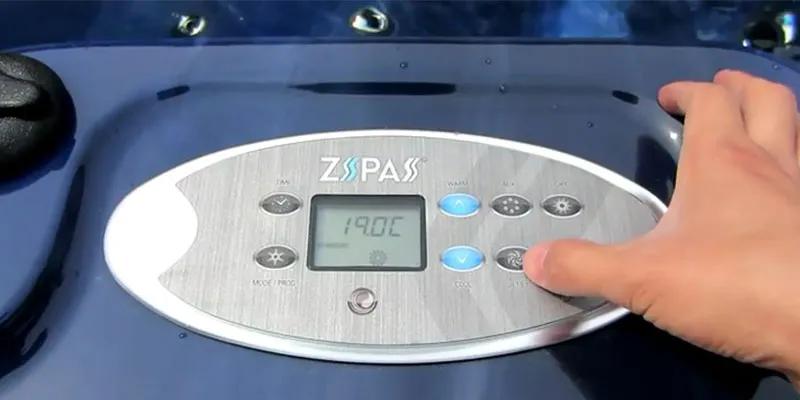
hot tub modes
Keeping your hot tub at the right temperature when it is not in use can help you save energy, protect your equipment and ensure the water is ready whenever you want to relax. While turning the temperature down may seem like the easiest way to reduce running costs, the ideal setting depends on how often you use your hot tub, the weather conditions and the efficiency of your insulation.
What Is the Ideal Temperature for an Unused Hot Tub?
For most hot tubs, maintaining the water at around 30°C to 35°C when not in use can be a practical option if you use it regularly but want to reduce energy consumption. This range keeps the water warmer than ambient temperatures without maintaining the full bathing temperature.
However, there is no single temperature that suits every situation. If you use your hot tub several times a week, a modest temperature reduction may be sufficient. If you are planning to leave it unused for an extended period, a lower setting or a manufacturer-approved winterisation procedure may be more appropriate.
Always follow your hot tub manufacturer's guidance, particularly during colder weather.
Should You Turn Your Hot Tub Temperature Down?
Turning down the temperature between uses can help reduce energy consumption because your heater does not need to maintain the water at your preferred bathing temperature continuously.
For example, if you usually enjoy your hot tub at 38°C, lowering it to approximately 32°C when you are not using it may help reduce heat loss. You can then raise the temperature before your next soak.
However, the savings depend on your hot tub's insulation, outdoor temperature, cover quality and heating system. Reheating the water also requires energy, so frequently switching between very different temperatures may not always be the most efficient approach.
For regular use, a small temperature reduction is often more convenient than allowing the water to cool significantly.
What Temperature Should You Keep It At During Winter?
Winter requires extra attention because cold air increases heat loss and can place additional demands on the heating system.
If you use your hot tub throughout winter, keeping it at a stable temperature recommended by the manufacturer is generally the safest approach. Many owners maintain their usual bathing temperature or reduce it slightly when the tub is not in use.
Never turn off the heater during freezing conditions unless you have properly winterised the hot tub according to the manufacturer's instructions. Water remaining in the pipes, pumps and other components can freeze and cause expensive damage.
A well-fitted, insulated cover is especially important in winter because it helps retain heat and reduces the workload on the heater.
Tips for Saving Energy When Your Hot Tub Is Not in Use
You can reduce running costs without sacrificing comfort by making a few simple adjustments:
Use a quality insulated cover: Ensure the cover fits securely and has no significant gaps that allow heat to escape.
Lower the temperature slightly: If your hot tub is used regularly, experiment with a modest reduction rather than switching the heating off.
Check your insulation: Effective insulation helps maintain water temperature and reduces unnecessary heating cycles.
Maintain proper water circulation: Follow the recommended filtration and circulation schedule to keep the water clean and the equipment operating correctly.
Use economy settings wisely: Some hot tubs offer economy or sleep modes that adjust heating schedules. Check your control system's instructions to understand how these settings work.
Plan ahead: Allow enough time for the water to return to your preferred bathing temperature before use.
Should You Turn Your Hot Tub Off Completely?
For everyday use, turning the hot tub off completely is usually unnecessary and may increase inconvenience when you want to use it again. It can also create risks in freezing weather if water remains inside the system.
If you are going away for an extended period, consult your manufacturer's recommendations. Depending on the climate and the length of your absence, maintaining a suitable temperature or arranging professional winterisation may be the best option.
Final Thoughts
The best temperature for an unused hot tub depends on your usage habits, climate and equipment. For regular use, around 30°C to 35°C can be a useful starting point for reducing the temperature between sessions, while maintaining a stable, manufacturer-recommended setting is particularly important during winter.
For further guidance on using hot tub settings efficiently, read article, Understanding Balboa Control Modes For Hot Tub Efficiency. It explains how Standard, Economy and Sleep modes work on compatible Balboa control systems, including how heating schedules and filtration cycles can help manage energy consumption. The article also highlights the importance of insulation and heat retention when reducing hot tub running costs.