

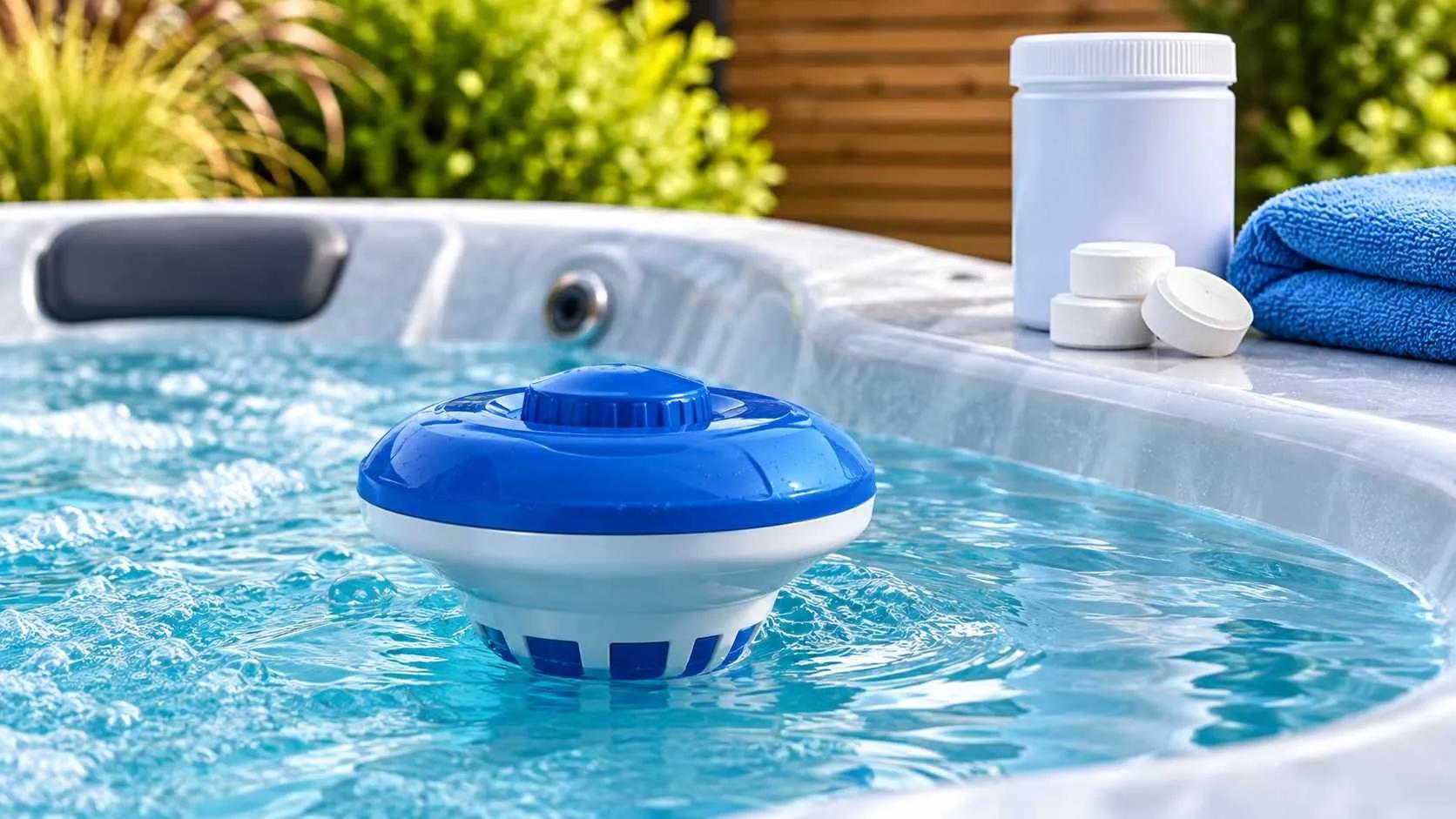
hot tub chemical feeder
Maintaining clean, balanced water is essential for enjoying a safe, comfortable and relaxing hot tub or spa experience. Regularly adding sanitising chemicals helps control bacteria, prevent algae growth and keep the water fresh. However, manually measuring and adding chemicals can become time-consuming, especially for hot tub owners who use their spa frequently. A chemical feeder offers a convenient solution by automatically dispensing sanitising products into the water. Choosing the right model can simplify your maintenance routine and help maintain consistent water quality.
With different types, sizes and features available, selecting a suitable chemical feeder requires careful consideration. Here are some important factors to help you choose the right chemical feeder for your hot tub or spa.
1. Understand How a Chemical Feeder Works
Before purchasing a chemical feeder, it is important to understand its purpose and how it operates. A chemical feeder is designed to dispense sanitising chemicals into your hot tub water at a controlled rate. This helps maintain appropriate sanitiser levels and reduces the need for frequent manual dosing.
An automatic chemical feeder gradually releases the required sanitising product into the water, helping maintain a more consistent sanitising routine. Depending on the model, the feeder may use adjustable controls to regulate the amount of chemical released.
However, automatic dosing does not mean you can stop monitoring your water. Regular testing is still necessary to ensure sanitiser levels, pH and alkalinity remain within the manufacturer's recommended ranges.
2. Check Compatibility with Your Hot Tub
One of the most important considerations when choosing a chemical feeder is compatibility. Not every feeder is suitable for every hot tub or spa system. Before purchasing, check the manufacturer's specifications to ensure the unit works with your existing plumbing, circulation system and water capacity.
Consider the size and configuration of your spa. A chemical feeder designed for a large swimming pool may not be appropriate for a smaller domestic hot tub. Similarly, some feeders are designed for specific installation arrangements and may require particular plumbing connections.
Choosing a compatible model helps ensure effective chemical distribution and reliable operation. If you are unsure which type is suitable, consult your hot tub manufacturer or a qualified spa professional.
3. Consider the Type of Sanitising Chemicals
Different chemical feeders are designed to work with specific sanitising products. Some models are suitable for chlorine tablets, while others are intended for bromine-based sanitising products.
Before choosing a feeder, identify which sanitising system you currently use for your hot tub. Always check the product specifications to confirm that the feeder supports your chosen chemical.
It is particularly important never to mix incompatible sanitising chemicals or place different chemical types inside the same feeder. Certain chemical combinations can cause dangerous reactions. Always follow the manufacturer's instructions for chemical selection, handling and storage.
Selecting a feeder that matches your sanitising system helps make chemical maintenance more convenient while supporting effective water treatment.
4. Look for Adjustable Dosing Controls
A good chemical feeder should offer convenient and adjustable dosing controls. These settings allow you to regulate how much sanitising chemical is released into your hot tub water.
This feature is useful because chemical requirements can change depending on several factors, including water temperature, spa usage, the number of bathers and environmental conditions. For example, a hot tub used regularly by several people may require a different sanitising routine from one used occasionally.
Adjustable dosing helps you manage chemical delivery more effectively. However, avoid assuming that a higher dosing setting will always produce better results. Excessive sanitiser levels can cause discomfort and potentially damage spa components.
Test your water regularly and adjust the feeder according to the recommended chemical levels.
5. Choose a Durable and Easy-to-Install Model
Hot tub equipment is regularly exposed to moisture, heat and sanitising chemicals. Therefore, durability should be an important consideration when selecting a chemical feeder.
Look for a model manufactured using quality, chemical-resistant materials that can withstand regular use. A well-designed feeder should provide reliable performance without requiring frequent repairs or replacement.
Installation is another factor worth considering. Choose a model with clear installation instructions and accessible components. Some feeders may connect directly to the spa's circulation plumbing, while others may have different installation requirements.
Before purchasing, check whether additional fittings or professional installation are required. If you are unfamiliar with spa plumbing, consult a qualified technician to ensure the feeder is installed correctly.
6. Prioritise Safety and Maintenance Features
Safety should always be a priority when selecting and using a chemical feeder. Since these devices handle sanitising products, they should be operated carefully and according to the manufacturer's instructions.
Look for a feeder that provides secure chemical storage and straightforward access for refilling and maintenance. Regularly inspect the unit for blockages, leaks, damaged seals or signs of wear.
Never open or refill a pressurised feeder. Follow the manufacturer's instructions for switching off the circulation system, releasing pressure and handling chemicals safely. Keep sanitising products away from children and pets, and store them in their original containers.
Routine cleaning and inspection can help prevent blockages and maintain reliable operation. A well-maintained feeder can make your regular spa care routine much easier.
7. Consider Your Hot Tub's Water Capacity
The water capacity of your hot tub is another important factor when choosing a chemical feeder. Different spas hold different volumes of water, and the amount of sanitiser required depends partly on this capacity.
A feeder that is too large or unsuitable for a smaller spa may release more chemical than necessary. On the other hand, a unit with insufficient capacity may not meet the requirements of a larger system.
Check the recommended water capacity and operating specifications before purchasing. Choosing an appropriately sized feeder helps support controlled chemical distribution and more manageable maintenance.
8. Compare Quality, Features and Price
Price is naturally an important consideration, but choosing the cheapest chemical feeder is not always the best decision. Instead, compare different models based on their compatibility, dosing controls, durability, installation requirements and maintenance needs.
Consider the long-term convenience and reliability of the product rather than focusing only on its initial cost. A quality chemical feeder can help reduce the time spent on manual dosing and make routine spa maintenance more straightforward.
Look for products from reliable suppliers that provide clear specifications and useful product information. This makes it easier to select a feeder that suits your hot tub setup and maintenance requirements.
Make Hot Tub Maintenance Easier with the Right Chemical Feeder
Choosing the right chemical feeder can make maintaining your hot tub or spa simpler, more convenient and manageable. By considering compatibility, sanitising chemicals, adjustable dosing, water capacity, durability and safety features, you can find a suitable solution for your spa.
An automatic chemical feeder helps simplify regular sanitiser dosing, but it should always be used alongside routine water testing and proper cleaning. Explore the range of automatic chemical feeders and dispensers at Hot Tub Suppliers to find reliable spa maintenance accessories designed to support cleaner, balanced water and a more enjoyable hot tub experience.