

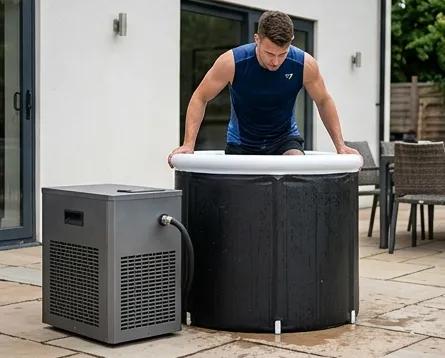
Cold water immersion has become a popular part of recovery routines among athletes, fitness enthusiasts, and people interested in improving their overall well-being. From supporting post-workout recovery to providing a refreshing way to start the day, ice baths offer several potential benefits when used correctly. However, choosing the right setup can be challenging, especially when comparing an Ice Bath Pro with a traditional ice bath.
Both options expose the body to cold water, but they differ in temperature control, convenience, maintenance, and long-term costs. Understanding these differences can help you choose the option that best fits your lifestyle, recovery goals, and budget.
What Is an Ice Bath Pro?
An Ice Bath Pro is a dedicated cold plunge system designed to make cold water immersion more convenient and consistent. Depending on the model, it may include an insulated tub, a temperature-control system, water circulation, and filtration features. Some systems also support automatic cooling, reducing the need to prepare fresh ice before every session.
These features make modern cold plunge systems appealing to people who want a regular recovery routine at home. Instead of estimating how much ice to add, users can maintain a preferred water temperature and prepare their setup with less manual effort.
For athletes who train frequently or individuals who enjoy regular cold plunges, this consistency can make the experience easier to manage.
What Is a Traditional Ice Bath?
A traditional ice bath is a simple setup that typically uses a bathtub, a large container, or a dedicated plunge tub filled with cold water and ice. The user adds ice until the water reaches a suitable temperature, checks the conditions, and enters for a short period.
This method has been used for years by athletes seeking a practical way to incorporate cold water immersion into their routines. Its biggest advantage is simplicity. You do not necessarily need a specialised cooling system or advanced equipment to get started.
However, the water temperature can change as the ice melts, and preparing each session requires time and effort. Depending on the size of the tub and the starting water temperature, you may also need a substantial amount of ice to achieve your desired conditions.
Ice Bath Pro vs. Traditional Ice Baths: Key Differences
1. Temperature Control
Temperature consistency is one of the biggest differences between these options. An Ice Bath Pro with an integrated chiller can maintain a selected temperature more reliably, depending on its specifications and operating conditions.
Traditional ice baths rely on manually adding ice. The temperature may fluctuate as the ice melts, making it harder to reproduce the same conditions each day.
Winner: Ice Bath Pro. A temperature-controlled system is generally more convenient for people who prioritise consistency.
2. Convenience and Preparation
Traditional ice baths require preparation before every session. You need to fill the tub, obtain enough ice, adjust the water temperature, and clean the setup afterward.
An Ice Bath Pro can simplify this process. Once installed and filled, a suitable system may be ready for use with much less preparation between sessions. Some models also provide filtration and circulation to support ongoing water care.
Winner: Ice Bath Pro. It is usually the more practical option for frequent users, although installation and routine maintenance are still necessary.
3. Initial and Running Costs
Traditional ice baths are often more affordable to start with because a basic tub and bags of ice may be sufficient. However, regular ice purchases can become an ongoing expense, particularly for people who take frequent plunges.
An Ice Bath Pro typically requires a higher initial investment. Electricity consumption, filter replacements, cleaning products, and servicing may also contribute to long-term costs. The overall value depends on usage frequency, equipment efficiency, and local electricity and ice prices.
Winner: Traditional ice bath for a lower starting budget. A powered system may offer better convenience over time, but it is not automatically cheaper to operate.
4. Water Quality and Maintenance
With a traditional ice bath, water may need to be replaced frequently, particularly when the tub lacks filtration and effective sanitation. Warm conditions, repeated use, and inadequate cleaning can encourage microbial growth.
Some Ice Bath Pro systems include circulation and filtration features that help manage water quality. However, filtration does not necessarily disinfect water or remove every contaminant. Users must still follow the manufacturer's cleaning, sanitisation, and water-replacement instructions.
Winner: Ice Bath Pro when equipped with suitable water-management features. Both options require consistent hygiene practices.
5. Space and Setup Requirements
A traditional ice bath can be as simple as a portable tub that is stored away when not needed. This makes it useful for beginners, people with limited budgets, or those who do not want a permanent installation.
An Ice Bath Pro may need a dedicated space, electrical access, ventilation, and sufficient room for its cooling equipment. Portable models are available, but requirements vary.
Winner: Traditional ice bath for basic, flexible setups. A compact, self-contained powered system may still be suitable if convenience is a priority.
Which Option Is Better for Recovery?
Neither option is automatically better for physical recovery simply because it uses more advanced equipment. Both can provide cold water immersion when the water temperature and exposure are appropriate.
Cold-water immersion may help reduce perceived muscle soreness after strenuous exercise. However, its effects vary between individuals, and frequent cold-water immersion immediately after resistance training may interfere with some muscle-growth adaptations. People focused on strength and muscle development should consider the timing and frequency of their sessions.
An Ice Bath Pro mainly improves control and convenience. A traditional ice bath can provide a similar cold-water experience without the additional equipment. Your training goals, comfort, experience, and consistency matter more than the type of tub alone.
Safety Tips for Both Ice Bath Options
Cold water immersion is not suitable for everyone. Sudden exposure can trigger rapid breathing, increased heart rate, and changes in blood pressure. People with cardiovascular conditions, circulation problems, or other relevant medical concerns should consult a healthcare professional before trying an ice bath.
Beginners should avoid extreme temperatures and prolonged sessions. Enter the water gradually, keep sessions conservative, and leave immediately if you experience chest pain, dizziness, confusion, unusual shortness of breath, or severe numbness. Never use an ice bath alone if there is a risk of becoming unwell, and avoid combining cold immersion with alcohol or substances that impair judgement.
Follow the equipment manufacturer's instructions and remember that colder water and longer sessions do not necessarily produce better results.
Final Verdict: Ice Bath Pro or Traditional Ice Bath?
The best option depends on how often you plan to use it and what matters most to you. Traditional ice baths are an excellent starting point for people who want a simple, affordable introduction to cold water immersion. An Ice Bath Pro is generally better suited to frequent users who value consistent temperatures, easier preparation, and potentially integrated water-management features.
Before investing, compare the purchase price, running costs, capacity, maintenance requirements, and available safety features. If you want a more convenient home recovery setup, an ice bath chiller can help maintain cold water temperatures without repeatedly purchasing and adding ice. Ultimately, choose a solution that fits your routine, budget, and recovery goals while keeping safety and proper water hygiene at the centre of every session.