

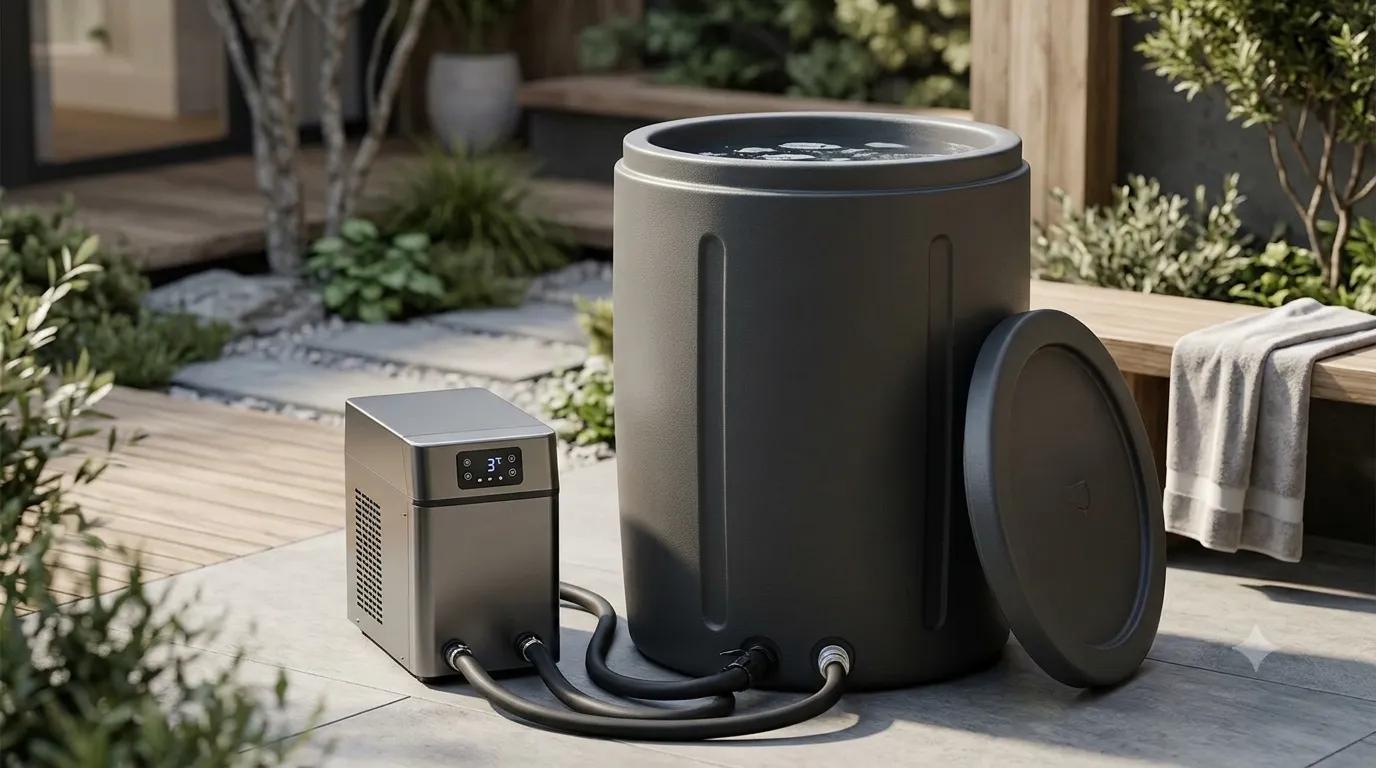
Ice baths have become a popular recovery method among athletes, fitness enthusiasts, and people looking to incorporate cold-water immersion into their wellness routines. While adding ice to a tub can lower the water temperature, keeping it consistently cold can be difficult. Ice melts, water gradually warms, and maintaining the desired temperature may require frequent monitoring and refilling.
A dedicated cooling system can make this process much easier. A chiller is designed to regulate water temperature by continuously circulating and cooling the water. This allows users to maintain a more consistent environment without relying entirely on bags of ice.
Understanding How an Ice Bath Chiller Works
A chiller works by drawing water from the bath through an intake line and passing it through a cooling system. The cooled water is then returned to the tub, creating a continuous circulation cycle. As warmer water enters the unit, the system removes heat before sending the water back into the bath.
This process can continue for extended periods, helping prevent the temperature from rising significantly between sessions. Instead of manually adding ice whenever the water becomes too warm, users can rely on the chiller to help maintain the selected temperature.
The exact cooling performance depends on factors such as the chiller's capacity, water volume, ambient temperature, insulation, and how frequently the bath is being used.
Maintaining a More Consistent Temperature
One of the biggest advantages of a chiller is temperature consistency. Ice can create temporary cold spots and gradually loses its cooling effect as it melts. A chiller, however, can continue operating as long as it has an appropriate power supply and water circulation.
Many modern systems allow users to select or adjust a target temperature. Once the water reaches the desired level, the system can regulate its operation to help maintain that temperature. This is particularly useful for people who use cold-water immersion regularly and prefer a predictable experience.
Consistent temperature also makes it easier to establish a repeatable routine. Rather than wondering whether the water is cold enough each time, users can check the temperature and make adjustments when necessary.
Continuous Water Circulation
Water circulation plays an important role in temperature management. Without proper movement, water inside a tub can become unevenly distributed, with some areas warmer or colder than others.
A chiller paired with a circulation system continually moves water through the cooling unit. This helps distribute the cooled water throughout the bath and reduces temperature variation.
Good circulation can also contribute to overall water management by moving water through filtration components when the system includes them. Following the manufacturer's recommendations for water flow, hoses, filters, and connections is important for reliable performance.
Less Dependence on Ice
Traditional ice baths often require a substantial amount of ice, particularly when the surrounding environment is warm. The amount needed can vary depending on the starting water temperature and the size of the tub.
A chiller reduces the need to repeatedly purchase, store, and add large quantities of ice. This can make regular cold-water immersion more convenient and predictable.
For people who use an ice bath several times a week, avoiding the constant preparation associated with bags of ice can be a significant practical benefit. The water can remain in the tub while the cooling system handles temperature regulation according to its capabilities.
Insulation Makes Cooling More Effective
Although a chiller is responsible for cooling the water, the bath itself also plays an important role. Heat from the surrounding environment can gradually transfer into cold water, especially when the tub is exposed to direct sunlight or high outdoor temperatures.
Insulation can help slow this heat transfer. A well-insulated tub or cover can reduce the amount of heat entering the water, allowing the cooling system to work more efficiently.
Keeping the bath covered when it is not being used can also help protect the water from environmental debris and reduce unnecessary exposure to surrounding heat. For outdoor setups, positioning the bath in a shaded location can provide an additional advantage.
Temperature Monitoring and Adjustments
A reliable temperature reading is essential when using an ice bath. Many modern systems incorporate temperature controls or displays that allow users to monitor water conditions more easily.
Before entering the bath, it is sensible to verify the actual water temperature rather than relying only on how the water feels. Individual tolerance to cold varies considerably, and extremely cold water can create significant physical stress.
Users should follow appropriate safety guidance and avoid assuming that colder water is automatically better. Shorter exposure at a manageable temperature may be more appropriate than attempting to tolerate extremely cold conditions.
Keeping the Water Clean
Temperature control is only one part of maintaining an ice bath. Because the same water may remain in the tub between sessions, cleanliness and water maintenance are also important considerations.
Some chiller systems incorporate filtration, while others can be connected to separate filtration equipment. Filters can help remove particles from circulating water, although filtration does not eliminate the need for proper cleaning and water maintenance.
The manufacturer's instructions should always be followed regarding filter replacement, cleaning schedules, water treatment, and safe operation. Keeping the system and tub clean can support a more pleasant experience and help the equipment operate properly.
Choosing the Right Chiller
Not every chiller is designed for the same application. When choosing one for an ice bath, consider the volume of water it needs to cool, its cooling capacity, temperature range, circulation requirements, energy consumption, and installation setup.
A system that is appropriately matched to the size of the bath is more likely to provide dependable temperature control. It is also worth considering features such as digital controls, automatic temperature regulation, filtration compatibility, portability, and ease of maintenance.
The surrounding climate matters as well. A system operating outdoors in a warm environment may have to work harder than one used indoors in a cooler space. Checking the manufacturer's specifications can help determine whether a particular model is suitable for the intended setup.
Making Cold-Water Immersion More Convenient
The main benefit of a dedicated cooling system is convenience. Instead of repeatedly filling the tub with ice and monitoring how quickly it melts, users can establish a more controlled setup. The chiller circulates water, removes heat, and helps keep the temperature within the desired range.
For regular users, this can transform an ice bath from an occasional activity into a more manageable part of a recovery or wellness routine. It also reduces some of the preparation involved in getting the bath ready.
Ultimately, consistent temperature depends on more than the cooling unit alone. Proper insulation, adequate water circulation, suitable placement, regular maintenance, and correct equipment sizing all contribute to better performance. When these elements work together, an ice bath can remain reliably cold with less manual effort. For anyone looking to simplify temperature control and reduce dependence on melting ice, an Ice bath Chiller can be a practical addition to a dedicated cold-water immersion setup.